Essential Piping Tips to Keep Your System Running Smoothly
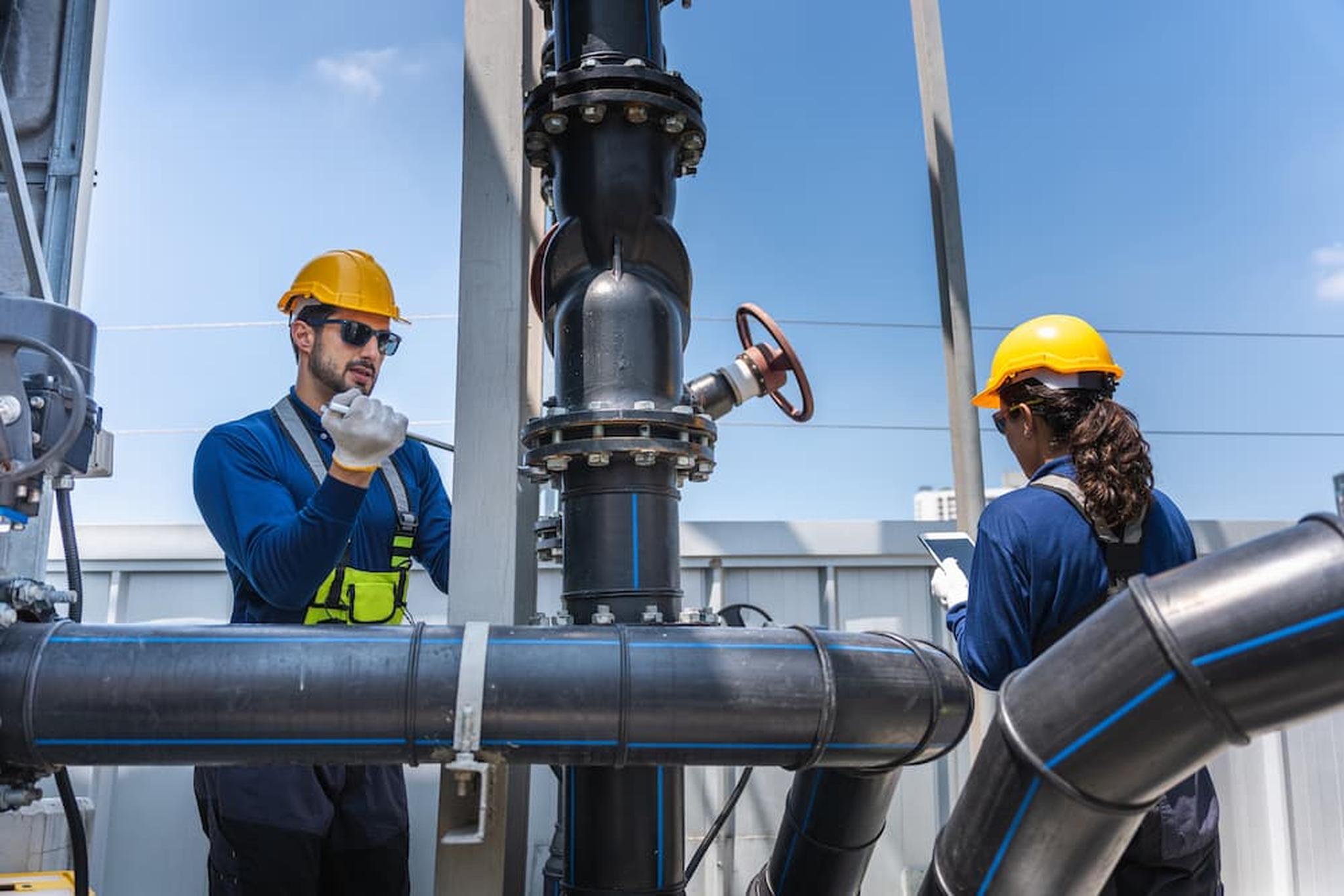
Regular maintenance, inspections, and timely repairs help commercial and industrial piping systems operate reliably and reduce the risk of unexpected interruptions. Because facilities depend on piping networks for fluid transfer, heating, cooling, and other critical processes, keeping these systems in good condition supports safe and consistent operations.
As a Cincinnati-based mechanical contractor specializing in commercial piping, HVAC, plumbing, and fabricated mechanical skids, PCI Services brings years of experience supporting complex systems. In this blog, we’ll cover practical piping tips, common warning signs, and maintenance steps that can help facility managers protect their systems and reduce unexpected disruptions.
7 Piping Maintenance Tips to Extend Your System’s Life
1. Schedule Regular Inspections
Scheduled visual inspections serve as your first line of defense against unexpected system downtime and costly emergency repairs. Performing structured walkthroughs across high-stress main lines allows facility teams to identify critical failure points before they compromise operations.
2. Monitor for Early Warning Signs
Piping systems signal trouble long before complete failure. Sudden pressure drops or reduced flow indicate internal restrictions, while loud knocking, known as water hammer, creates destructive hydraulic shockwaves that weaken joints and supports. Unexplained thermal shifts and moisture pooling around flanges or valve stems also flag compromised gaskets, failing steam traps, or condensation issues needing early intervention.
3. Keep Piping Clean and Protected
Mineral scaling and chemical corrosion thin pipe walls, causing pressure loss and structural leaks. Scheduled chemical flushing dissolves internal deposits, while specialized epoxy coatings and sacrificial anodes protect exterior metal from harsh environments. Matching these preventive barriers to your system's fluid chemistry, pH, and operating temperatures significantly extends overall service life.
4. Understand Your Piping Materials
Every material demands specific care. Carbon steel requires frequent rust monitoring, whereas stainless steel needs checks for chloride-induced pitting. Copper systems are prone to pinhole leaks from acidic pH or excessive fluid velocity, while plastic lines like PVC require inspection for thermal expansion stress and UV degradation. Tailoring maintenance to material traits prevents premature system failure.
5. Maintain Proper Pressure and System Conditions
Operating beyond engineered limits accelerates joint fatigue, flange separation, and valve wear. Exceeding pressure thresholds risks catastrophic bursts, while unmanaged thermal expansion buckles rigid runs lacking proper expansion loops. Continuously monitoring gauges, flow meters, and thermal sensors ensures process fluids stay within designed operating windows, safeguarding system integrity.
6. Document Repairs and Maintenance
Comprehensive maintenance logs enable predictive care by tracking pressure test results, ultrasonic wall-thickness readings, and component replacement histories. Documenting localized repairs highlights chronic vibration zones or rapid corrosion areas. These historical trends optimize replacement schedules, simplify regulatory compliance audits, and prevent premature capital expenditures across facility networks.
7. Know When to Bring in a Professional
Industrial piping work often requires specialized techniques like hot tapping, orbital welding, and non-destructive testing. Licensed, union-trained pipefitters ensure full compliance with ASME B31 codes and strict safety protocols. Bringing in certified professionals for persistent leaks, main line tie-ins, or system overhauls eliminates safety hazards and prevents catastrophic failures, safeguarding long-term reliability.
Why Routine Piping Maintenance Matters for Commercial and Industrial Systems
Scheduled preventive care protects costly downstream assets like pumps, boilers, and heat exchangers from fluid contamination and pressure surges. Beyond supporting workplace safety standards, routine upkeep preserves wall thickness and joint integrity under continuous thermal cycling. Addressing minor line wear on a structured timetable minimizes unplanned shutdowns, optimizes pump efficiency, and extends mechanical system service life.
Your Partner for Commercial and Industrial Piping Services
With five generations of family ownership, PCI Services combines skilled workmanship with the personal attention of a local business. Our union-trained designers, welders, plumbers, pipefitters, and HVAC technicians support commercial and industrial projects involving piping construction, preventive maintenance, and custom mechanical skid fabrication.
Protect Your Piping System With Expert Support From PCI Services
If you need routine piping maintenance, repairs, or a new system installation, our team is ready to help keep your mechanical operations running smoothly.
Contact us today to discuss your project and experience the difference of working with a trusted mechanical contractor.
Image credit: // Shutterstock // JU.STOCKER